
| What it is | An amino-acid-derived compound your body makes and also gets from meat and dairy. |
| How it works | It is a transporter — the “carnitine shuttle” that carries fatty acids into mitochondria to be burned. |
| Realistic effect | Small for already-replete people; more relevant for those low in carnitine, usually alongside exercise. |
| Safety first | Well tolerated at typical doses; avoid very high long-term intake and check with a physician if unwell. |
If you have ever seen a fat-burner label promising that an ingredient will “transport fat to be burned,” there is a good chance it was talking about L-carnitine. And the interesting thing is that this claim is, mechanically, true — L-carnitine genuinely is a fatty-acid transporter. The catch is what that does and does not mean for weight. In this guide we look at what L-carnitine is, how the elegant “carnitine shuttle” moves fat into your cells' power plants, what the research on L-carnitine for fat metabolism really shows, the different forms on the shelf, sensible dosing and safety, and what to check on a label. And because MannaFlux takes a plant-based route to everyday energy, we will be clear about where the approaches differ.
L-carnitine is a compound derived from two amino acids (lysine and methionine). Your body makes it, mainly in the liver and kidneys, and you also get it from food — red meat is the richest source, with smaller amounts in fish, poultry and dairy (the name comes from the Latin carnis, “flesh”). Most healthy, meat-eating people are well supplied with carnitine and store the majority of it in muscle, exactly where it is needed. That single fact — that most people already have plenty — is essential context for the supplement conversation.
L-carnitine is the biologically active form; you may also see it as L-carnitine L-tartrate, acetyl-L-carnitine and propionyl-L-carnitine, which we will untangle below.
Here is the mechanism, and it is genuinely elegant. Fat is burned for energy inside tiny structures called mitochondria — the power plants of your cells. But long-chain fatty acids cannot cross the inner mitochondrial membrane on their own. They need a carrier. That carrier is carnitine.
In a process nicknamed the carnitine shuttle, an enzyme attaches a fatty acid to carnitine, the pair is ferried across the membrane, the fatty acid is dropped off inside to be oxidised (burned) for energy, and the carnitine returns to collect the next one. Without enough carnitine, that transport step becomes a bottleneck and fat cannot be efficiently burned. This is the real, textbook reason L-carnitine is tied to fat metabolism. To see where this fits in the wider picture of how the body produces heat and energy, read our companion guide to thermogenesis and how to support it naturally.
But here is the crucial nuance the marketing skips: being the transporter is not the same as being the trigger. If the loading dock already has enough forklifts, adding more forklifts does not make the trucks arrive faster. In a body that already has plenty of carnitine, topping it up does not force fat oxidation into a higher gear. Demand for fat-burning is set by things like energy deficit and exercise — not simply by how much carrier is on hand.
The honest answer is: modestly, and mostly for the right people. Reviews of human trials tend to find small average reductions in body weight, with a lot of variation between studies. For someone already replete in carnitine, the effect is minor.
Where it becomes more plausible is in people who are genuinely lower in carnitine — some older adults, vegetarians and vegans who eat little meat, or certain medical situations — and when it is paired with exercise. As with most single ingredients, it is a supporting act, not the star. For a broader comparison of gentle versus forceful approaches, see adaptogens vs stimulants for weight loss.
The word “carnitine” on a label can mean several different things, used for different purposes:
If your interest is fat metabolism and exercise, the tartrate or plain forms are the usual choice; ALCAR is a different tool for a different job. This is a good reminder that how a nutrient is delivered and formulated changes what it does — a theme we explore in liquid supplements vs capsules and absorption.
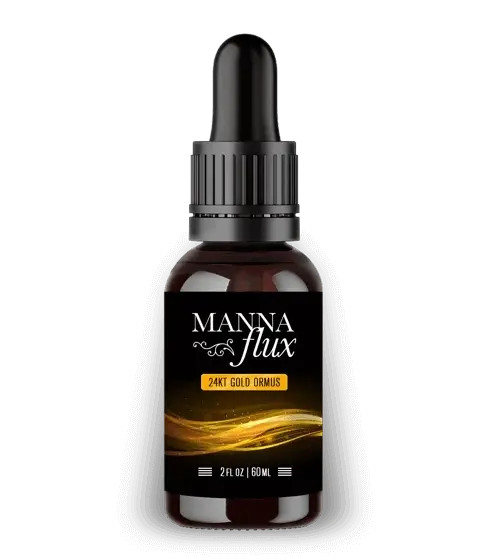
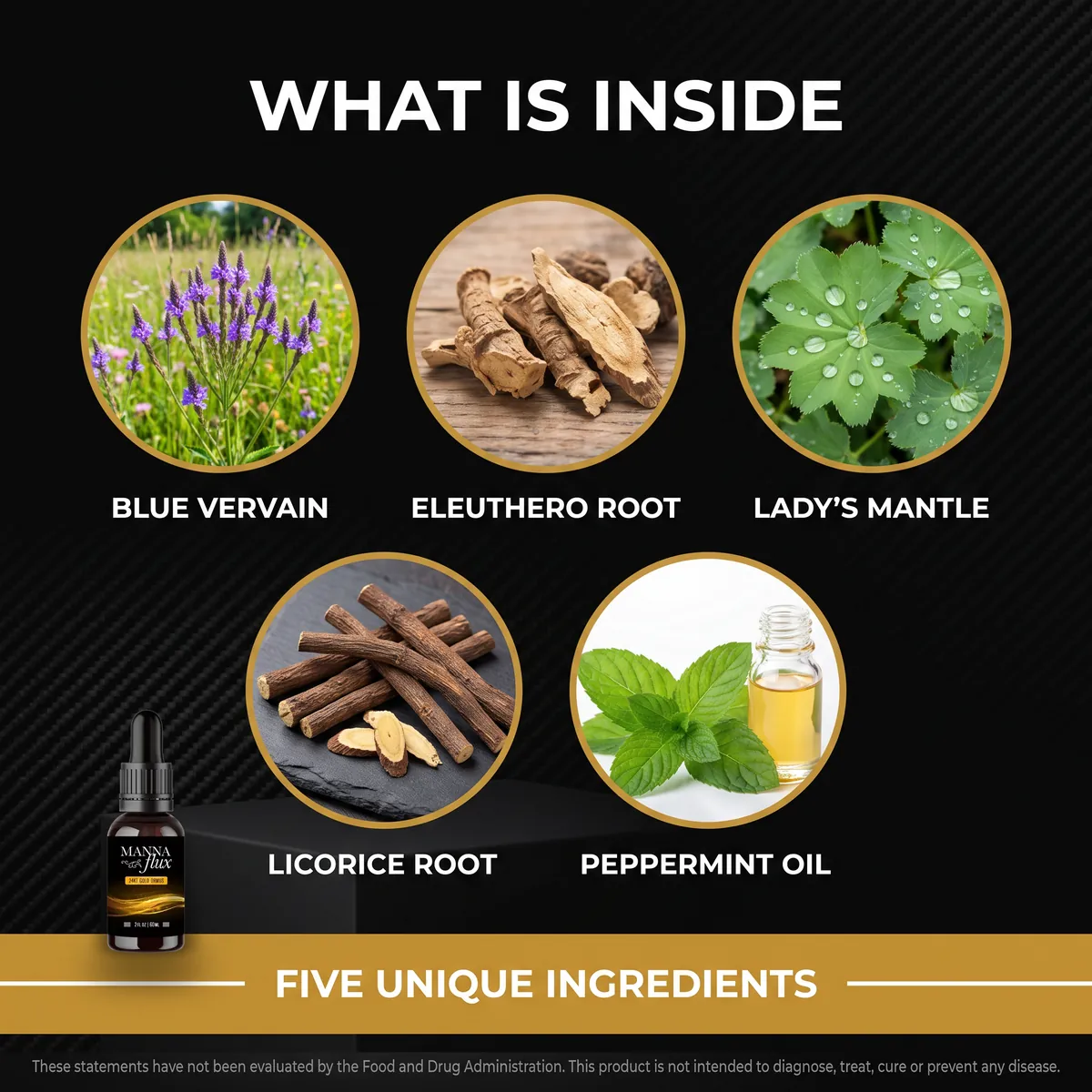
MannaFlux™ is not an L-carnitine product. It is a once-daily liquid blend of five named botanicals — blue vervain, eleuthero root, lady's mantle, licorice and peppermint — for gentle, stimulant-free support of everyday metabolism and energy. A simple, plant-based routine, backed by a 60-day money-back guarantee.
See MannaFlux PackagesThere is no single official dose, but supplemental L-carnitine is commonly used in the range of about 1 to 2 grams per day, often split across the day and sometimes taken with a carbohydrate-containing meal to aid uptake into muscle. A few sensible principles:
Because “carnitine” covers several distinct forms, the label matters even more than usual:
These label-reading habits protect you across everything you buy — our guide to how to read a supplement facts label covers the full panel.
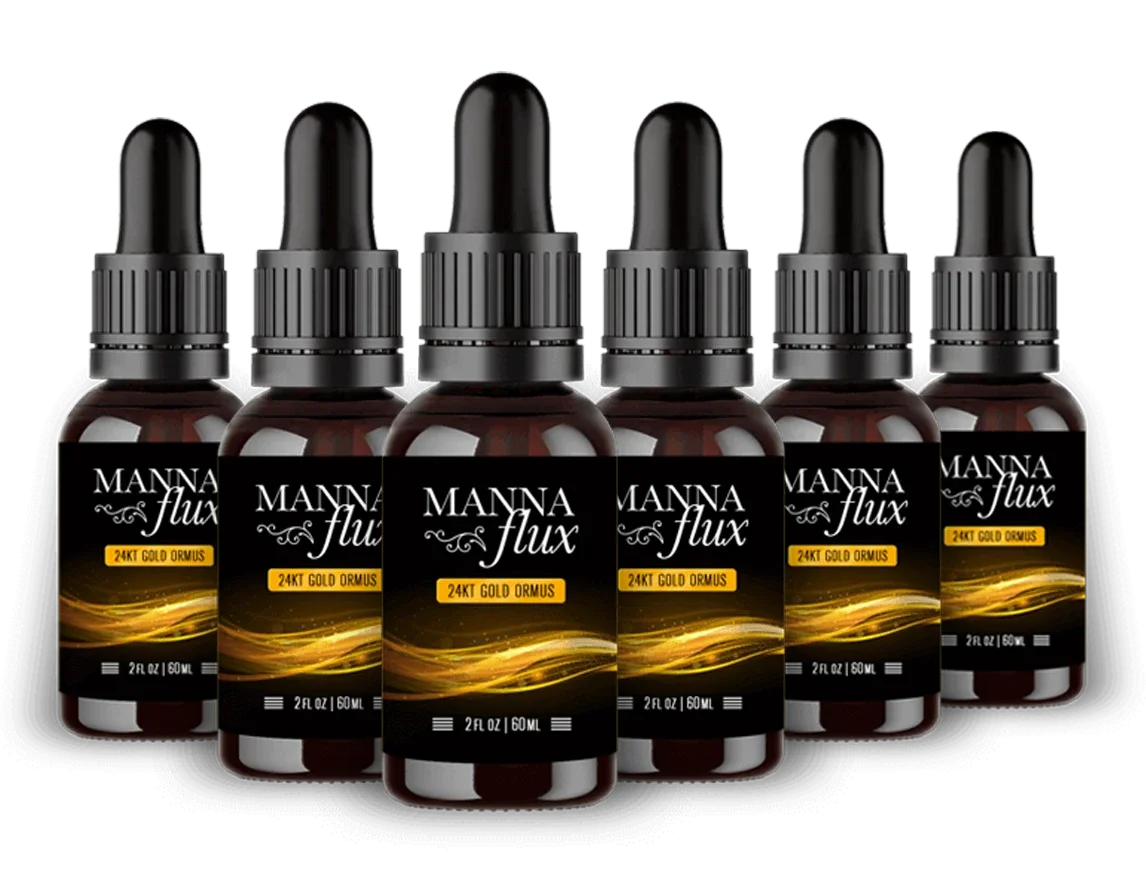
Start Your Daily Botanical Routine
L-carnitine is a rare case where the headline mechanism is real: it genuinely is the shuttle that carries fatty acids into the mitochondria to be burned, which is why it is inseparable from fat metabolism. But mechanism is not magic. Because most healthy, meat-eating people already have ample carnitine, topping it up usually produces only small effects on weight, and the biggest benefits appear in those who are actually low in it and who pair it with exercise. If you choose to try it, match the form to your goal, keep the dose sensible, and pick a clearly labelled product. And if you would rather support everyday energy and metabolism with a simple, plant-based routine and no single-nutrient guesswork, that gentle, stimulant-free approach is exactly what MannaFlux was designed around.
L-carnitine's job is transport. It carries long-chain fatty acids across the membrane into the mitochondria — the cell's power plants — where fat is actually burned for energy. Without carnitine, those fatty acids cannot get in. This is why it is described as a fat shuttle, though having enough carnitine does not force the body to burn more fat on its own.
For most healthy people who already make and eat enough carnitine, supplements produce only small effects on body weight, and the research is mixed. It is not a fat burner in the marketing sense. Any modest benefit tends to appear alongside exercise, and people who are low in carnitine (such as some older adults or vegetarians) may notice more than those who are already replete.
Plain L-carnitine (often as L-carnitine L-tartrate) is the general form used around exercise. Acetyl-L-carnitine (ALCAR) crosses into the brain more readily and is studied for cognitive and nerve support. Propionyl-L-carnitine is studied for circulation. The label should tell you which form you are buying, since they are used for different purposes.
L-carnitine is generally well tolerated at typical supplemental doses, with mild digestive upset or a fishy body odour at higher amounts being the usual complaints. There has been research interest in how gut bacteria convert carnitine into a compound called TMAO, so very high long-term intake is best avoided. People who are pregnant, nursing, on medication, or with kidney or thyroid concerns should speak with a physician first.
No. MannaFlux is a blend of five named botanicals — blue vervain, eleuthero root, lady's mantle, licorice and peppermint. This article explains L-carnitine for readers comparing energy and fat-metabolism ingredients; MannaFlux takes a plant-based approach to everyday energy and metabolism support.
† These statements have not been evaluated by the Food and Drug Administration. This product is not intended to diagnose, treat, cure or prevent any disease. This article is for general information only and is not medical advice. If you are pregnant, nursing, under 18 or taking medication, consult your physician before using any supplement. Individual results vary and are not guaranteed.