
| Stimulants | Push the nervous system hard for a sharp, short lift — often followed by a crash. |
| Adaptogens | Plants traditionally used to help the body stay balanced under stress — steady, not spiky. |
| For weight | Neither is a cure. The steady approach is usually easier to keep up, and consistency is what matters. |
| On a label | Check for caffeine and stimulant names if you want to avoid the jitters; look for named botanicals if you want steady support. |
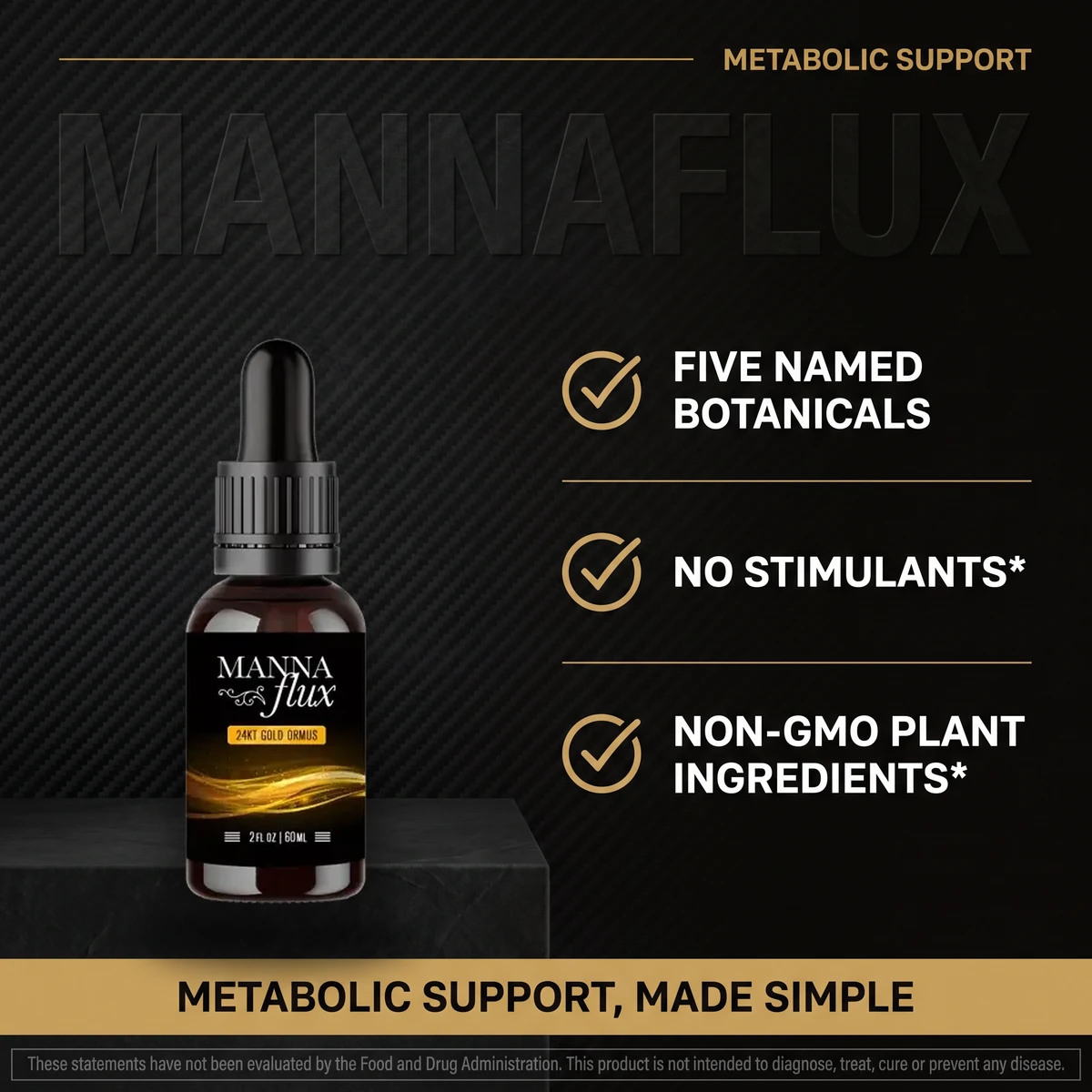
Walk down the weight-management aisle and you will see two very different philosophies fighting for your attention. One camp leans on stimulants — caffeine and its relatives — promising a fast, energetic push. The other leans on adaptogens — botanicals traditionally used to help the body cope with stress and stay balanced. The adaptogens vs stimulants question is not really about which is “stronger.” It is about two completely different mechanisms, and which one you can actually live with day after day. That distinction is the reason MannaFlux is built on named botanicals rather than stimulants.
A stimulant works by pushing your nervous system harder in one direction. Caffeine, the most common example, blocks the signals that normally make you feel tired and nudges the body toward a more alert, activated state. In the short term that feels great: more energy, sharper focus, sometimes a blunted appetite. This is why so many quick-fix weight products lean on it.
The problem is the rebound. When you force the system up, it eventually swings back down — and often overshoots. That is the familiar spike-and-crash: the jittery peak, then the slump, the low mood, and the cravings that arrive right when your willpower is lowest. Layer in poor sleep from stimulants taken too late, and you have a cycle that quietly works against the very consistency healthy weight requires. Stimulants are not evil; they simply borrow energy from later and charge interest.
Adaptogens take the opposite approach. An adaptogen is a plant traditionally used to help the body adapt to stress and return to balance — hence the name. Instead of pushing one lever hard, they are thought to gently support the systems that regulate your energy and stress response, so the effect people describe is steadiness rather than a rush.
Classic examples include eleuthero (once called Siberian ginseng), which is one of the botanicals in MannaFlux. Because adaptogens are not stimulants and contain no caffeine, they do not produce a sharp peak — and, just as importantly, there is no matching crash. If you want the full detail on how one of them works, see our deep dive on eleuthero root benefits. The trade-off is honest: adaptogens are subtler and work with consistency over time, not in a single dramatic hit.

Here is the truth neither camp likes to say out loud: no supplement, stimulant or adaptogen, is a weight-loss cure. Weight management is driven by the fundamentals — how you eat, move, sleep and manage stress. If you want a plain-English refresher on those, we cover them in how to support your metabolism naturally.
Where the comparison actually matters is sustainability. A stimulant can give you a short-lived push and may briefly reduce appetite, but the crash, jitters and sleep disruption can quietly sabotage the consistency that makes any plan work. An adaptogen will not give you a dramatic jolt — but by supporting steady energy and a calmer stress response, it helps you keep showing up for the habits that genuinely move the needle. For most people trying to build something durable rather than chase a quick high, steady wins. That is a philosophy choice as much as a chemistry one.
The adaptogens vs stimulants conversation is crowded with half-truths. A few are worth correcting directly, because believing them leads people to buy the wrong thing.
Once those myths are out of the way, the choice becomes less about hype and more about temperament: do you want a fast lever you pull now and pay for later, or steady support you can build a routine around? Neither is wrong for everyone — a coffee before a workout is fine — but for an everyday, long-term wellness habit, steady tends to win. It is the same logic behind pairing any supplement with the real fundamentals of eating, moving and sleeping well rather than expecting a pill to carry the whole load.
MannaFlux™ is built on five named botanicals — eleuthero, blue vervain, lady’s mantle, licorice and peppermint — with no stimulants and no caffeine. One simple daily dropper, backed by a 60-day money-back guarantee.
See MannaFlux PackagesThe label decides which camp a product belongs to, so learn to read it. A few quick signals:
Because “proprietary blends” are where a lot of stimulant content hides, it pays to know how to decode a label properly — our step-by-step guide to reading a supplement facts label walks you through it.
Try the Stimulant-Free Approach
Adaptogens and stimulants are not two flavours of the same thing — they work by opposite mechanisms. Stimulants force a fast, short-lived lift and charge you a crash later; adaptogens are traditionally used to support steady balance with no matching slump. Neither is a shortcut to weight loss, because the fundamentals do that job. But if you want support you can actually sustain, day after day, without jitters or a 3 p.m. slump, the steady, stimulant-free path is the one most people can keep up — and consistency is the whole game.
A stimulant like caffeine pushes your nervous system harder in one direction for a sharp, short-lived lift, usually followed by a crash. An adaptogen is a plant traditionally used to help the body stay in balance under stress, aiming for steady, even support rather than a spike. They work by very different mechanisms.
Neither is a weight-loss cure. Stimulants may blunt appetite or raise energy briefly but can cause jitters, poor sleep and a crash that undermines consistency. Adaptogens support steady energy and a calmer stress response, which can make healthy habits easier to sustain. For most people building a durable routine, the steady approach is easier to keep up.
Adaptogens are traditionally used steadily over time rather than as an occasional jolt, which is why once-daily routines suit them. As with any supplement, follow the label and consult your physician first, especially if you are pregnant, nursing, under 18 or on medication.
No. Classic adaptogens such as eleuthero contain no caffeine and are not stimulants. That is exactly why the energy support they offer is described as even and steady rather than a caffeine-style rush.
Stimulants force a temporary surge in alertness and energy. Once that surge fades, the body swings the other way, which people experience as tiredness, low mood or cravings. That rebound is what drives the classic spike-and-crash cycle and can make consistency harder.
† These statements have not been evaluated by the Food and Drug Administration. This product is not intended to diagnose, treat, cure or prevent any disease. This article is for general information only and is not medical advice. If you are pregnant, nursing, under 18 or taking medication, consult your physician before using any supplement. Individual results vary and are not guaranteed.