
| Start here | Read the Supplement Facts panel, not the marketing on the front. |
| Two numbers that matter | Serving size, and the amount per serving of each named ingredient. |
| Biggest red flag | A “proprietary blend” that hides how much of each ingredient you get. |
| Confirm the plant | Look for the Latin name and the plant part — common names overlap. |
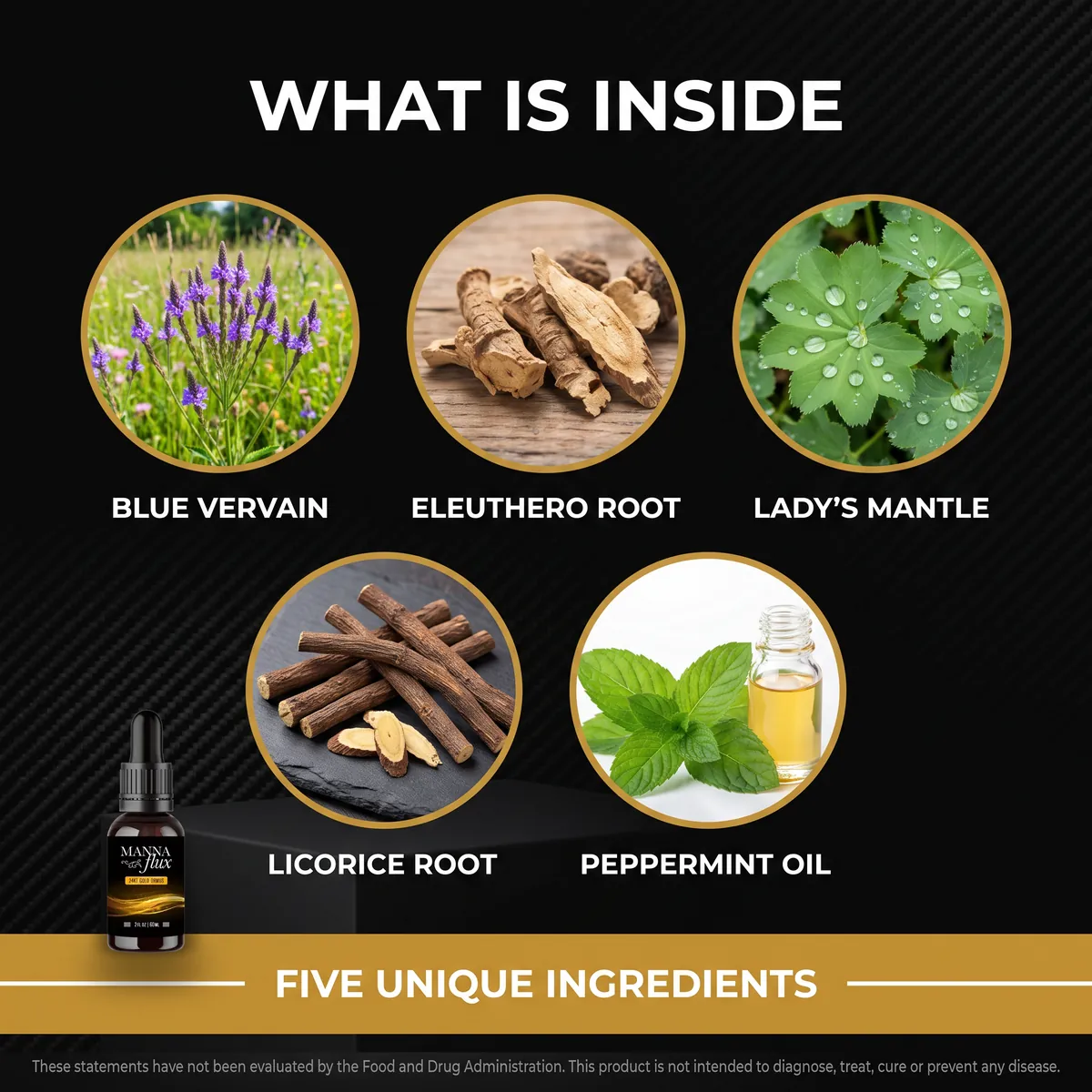
Learning how to read a supplement label is the single most useful skill for anyone shopping in the weight-loss and wellness aisle. The front of the box is advertising; the truth is on the back, in the Supplement Facts panel. Once you know how to decode it, you can tell a genuinely transparent product from a cleverly marketed one in about thirty seconds — and avoid paying for a “blend” that is mostly filler. This guide walks through each part of a label, with the weight-wellness shopper specifically in mind, using named botanicals like those in MannaFlux as examples.
First, know which panel you are looking at. Foods and drinks carry a Nutrition Facts panel. Dietary supplements carry a Supplement Facts panel — a different, regulated format. A Supplement Facts panel must show the serving size, the amount per serving of each dietary ingredient, and a Percent Daily Value (%DV) for any nutrient that has an established one. Crucially for herbs, when a botanical is listed it must also state the part of the plant used, such as root, leaf or flower. If you are looking at a botanical product and it never mentions plant parts, that is your first clue to slow down.
The serving size tells you how much you have to take to get everything else on the panel. It might be one dropper, two capsules, or a scoop. This matters more than people realise, because every other amount is listed per serving. A product can advertise an impressive-looking ingredient total on the front, then reveal on the back that a “serving” is three or four capsules. Always translate the panel into “what do I get in one day’s dose,” and check how many servings are actually in the container so you know how long it lasts.
This is the heart of the label. For each ingredient you want to see a clear, individual amount — for example, a specific number of milligrams of a named herb. When amounts are disclosed like this, you can judge whether the product contains a meaningful quantity or a token sprinkle.
Then there is the proprietary blend: several ingredients grouped under one combined weight, with no breakdown of how much of each. A label might proudly list ten trendy ingredients in a “750 mg proprietary blend” — but that 750 mg could be 700 mg of a cheap filler and a pinch of everything else. You simply cannot tell. This is the number-one thing careful shoppers watch for, because it is legal, common, and designed to look generous while hiding the details.
Common names are slippery. As we cover in our guide to blue vervain, the word “vervain” alone can point to several different species. The fix is the Latin (botanical) name, which pins down exactly which plant is in the bottle.
A trustworthy botanical entry gives you three things: the common name, the Latin name, and the plant part — for example, “Eleuthero (Eleutherococcus senticosus), root.” If any of those is missing, you cannot be certain what you are buying.
Below the main panel is an “Other Ingredients” line — the non-active components: capsule shells, carriers, flavours, preservatives. This is where you can check for things you want to avoid, and where a clean formula shows its work (for instance, non-GMO plant ingredients, no unnecessary fillers). The delivery format lives here too, and it genuinely affects how a product behaves — we compare the options in liquid supplements vs capsules. A liquid dropper, for example, lists its carrier here rather than a capsule shell.
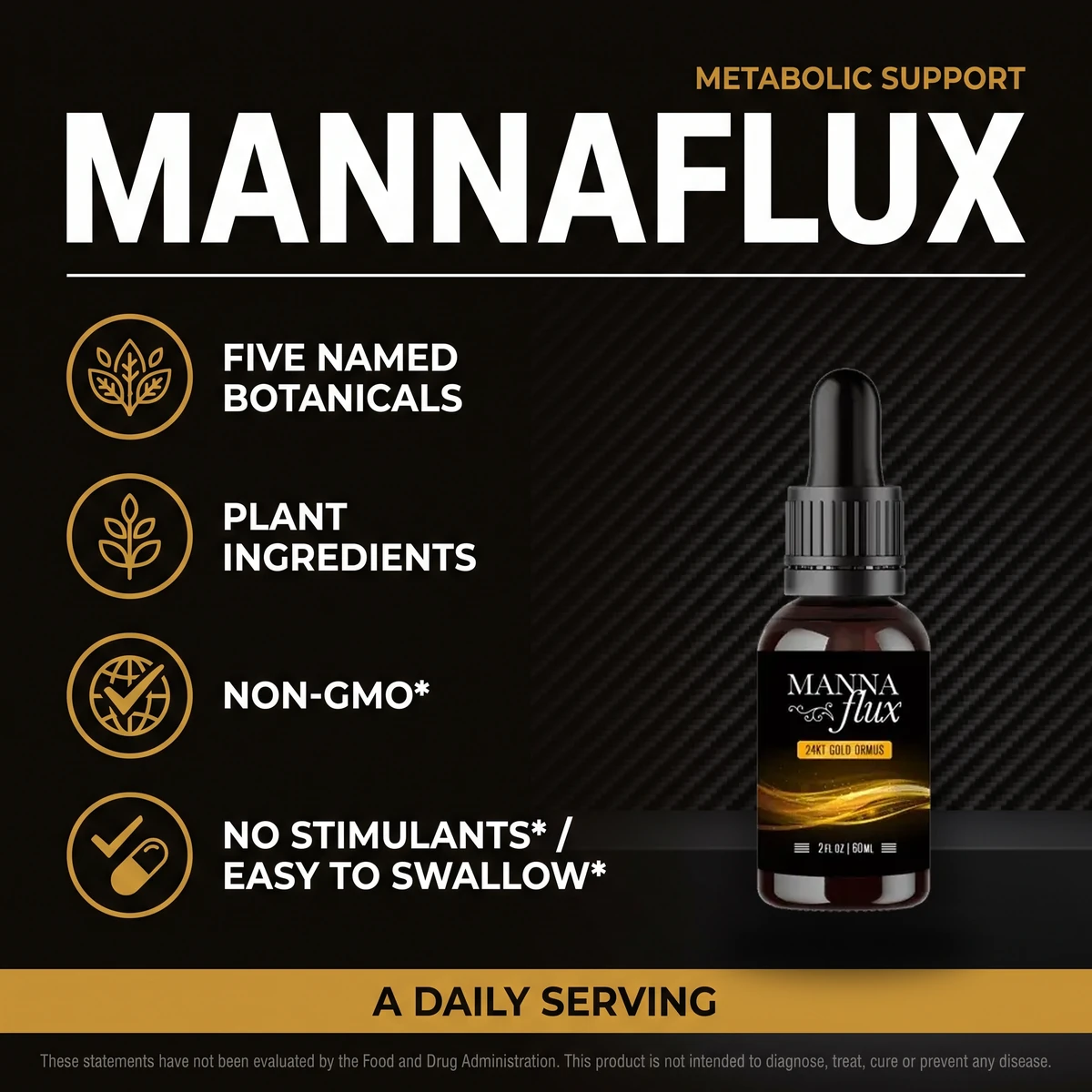
MannaFlux™ lists its five botanicals by name — eleuthero, blue vervain, lady’s mantle, licorice and peppermint — in a once-daily liquid dropper, made in an FDA-registered, GMP-certified U.S. facility. Backed by a 60-day money-back guarantee.
See MannaFlux PackagesNow read the words around the panel with a critical eye. In the United States, the FDA does not approve dietary supplements the way it approves drugs — manufacturers are responsible for safety and honest labeling. That is exactly why an honest label makes modest claims. Structure/function statements like “supports digestion” are allowed; disease or cure claims like “treats” or “cures” are not, and seeing them is a serious red flag. You will also usually find the FDA disclaimer: “These statements have not been evaluated by the Food and Drug Administration…”
Then check the quality signals:
Put it together and you can vet almost any product fast:
Master this and every other decision gets easier — including choosing which ingredients you actually want, like the adaptogen eleuthero root, and understanding the habits that support your metabolism around them.
Reading a supplement label is not complicated once you know where to look: ignore the front, read the Supplement Facts panel, and focus on serving size and disclosed per-serving amounts. Treat proprietary blends with healthy suspicion, confirm every botanical with its Latin name and plant part, and be wary of any product making disease claims. Add a quick check for FDA-registered, GMP-certified manufacturing and clear company details, and you can shop with confidence — putting your money toward products that tell you exactly what you are getting.
Nutrition Facts panels appear on foods and beverages; Supplement Facts panels appear on dietary supplements. Supplement Facts must list the serving size, the amount per serving of each dietary ingredient, and any Percent Daily Value where one has been established. Botanical ingredients must also show the plant part used.
A proprietary blend lists several ingredients under one combined total weight without disclosing how much of each individual ingredient is present. This makes it impossible to know whether you are getting a meaningful amount of the key ingredient or just a token dusting, which is why many careful shoppers prefer fully disclosed amounts.
Common plant names overlap and can refer to different species. The Latin botanical name identifies the exact plant, so it is the reliable way to confirm you are getting the ingredient you intend rather than a similarly named substitute.
The FDA does not approve dietary supplements or their labels before they are sold the way it approves drugs. Manufacturers are responsible for their products being safe and truthfully labeled. That is why reading the label carefully, and choosing products made in FDA-registered, GMP-certified facilities, matters so much.
Watch for undisclosed proprietary blends, disease or cure claims, hidden stimulants, vague common names with no Latin name or plant part, no serving size clarity, and no manufacturing standards listed. Honest labels disclose amounts and make modest, general wellness statements.
† These statements have not been evaluated by the Food and Drug Administration. This product is not intended to diagnose, treat, cure or prevent any disease. This article is for general information only and is not medical advice. If you are pregnant, nursing, under 18 or taking medication, consult your physician before using any supplement. Individual results vary and are not guaranteed.