
| The key idea | A capsule must break down before absorption; a liquid is already dissolved and skips that step. |
| Absorption | Liquids can act faster and more consistently, though how much more depends on the ingredient. |
| What really matters | Bioavailability — how much actually reaches your bloodstream — not just the number on the label. |
| The tiebreaker | The best format is the one you will actually take every day. |
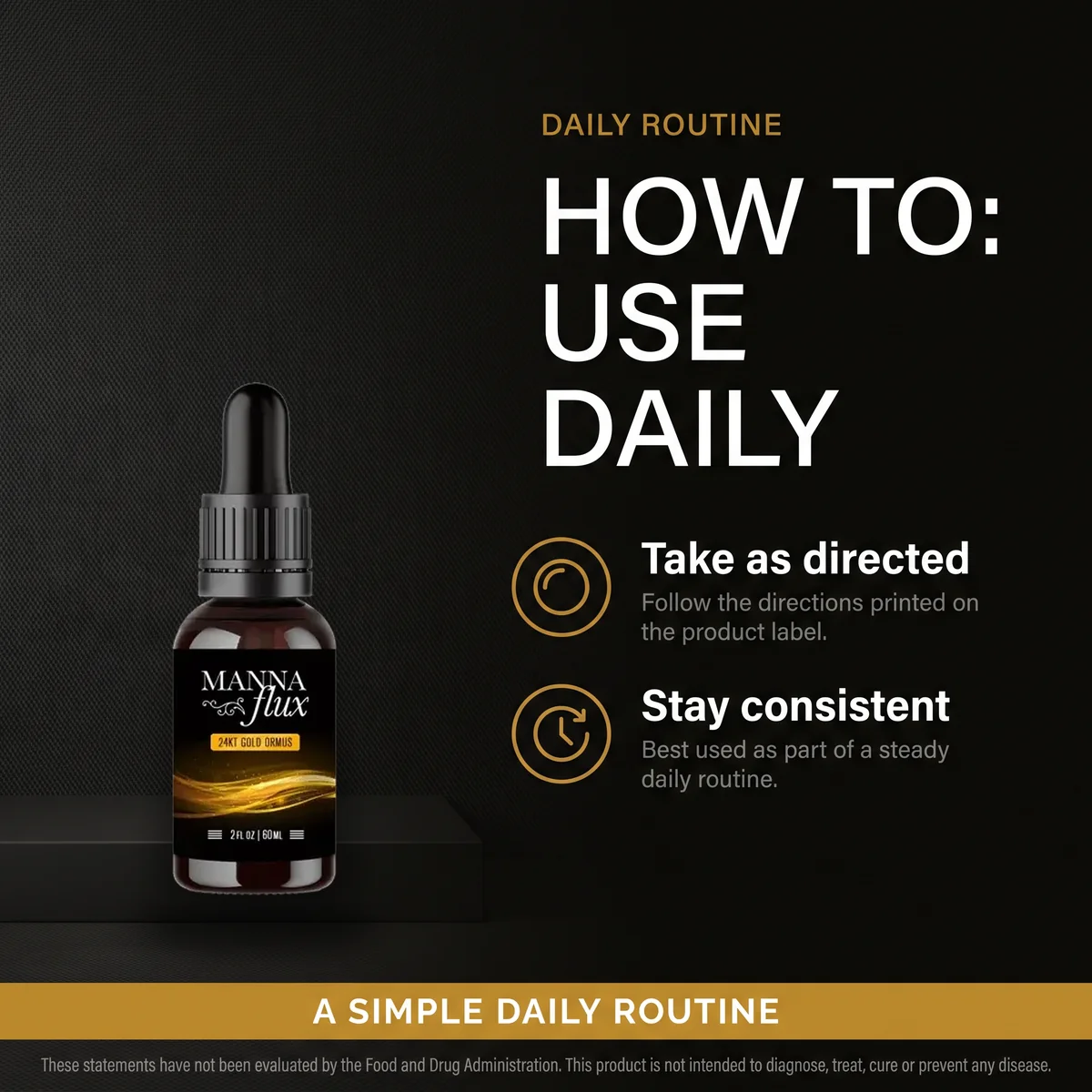
“Liquid or capsule?” sounds like a trivial packaging question, but it is really a question about absorption — how much of what is on the label actually gets into you. The liquid supplements vs capsules debate comes up constantly in the weight-wellness world, and it is worth understanding properly, because the delivery format changes how, and how quickly, an ingredient reaches your body. It is also why MannaFlux chose a liquid dropper rather than another pill. Let’s separate the real science from the marketing.
Before comparing formats, you need one idea: bioavailability. It is the proportion of an ingredient that actually reaches your bloodstream in a usable, active form. This is the single most misunderstood thing about supplements. The milligram number on a label is the amount in the product — not the amount your body ends up using. Bioavailability is influenced by the chemical form of the ingredient, whether you take it with food, your own digestion, and, yes, the delivery format.
So when someone asks “which absorbs better,” the precise version of the question is “which format gives better bioavailability for this particular ingredient?” And the answer is: it depends — but there are some clear, general principles worth knowing.
A capsule or tablet is a solid dose. Before your body can absorb anything, that solid has to disintegrate and dissolve in your digestive tract — the shell has to open, the powder has to disperse, and the ingredients have to go into solution. Only then can absorption begin. For most quality capsules this happens reliably, but it adds a step, and a few things can interfere: a poorly made tablet may not break down efficiently, and how full your stomach is can change the timing.
Capsules have real advantages too: they are convenient, portable, have no taste (useful if an ingredient is unpleasant), and can protect certain ingredients from air and light. The point is not that capsules are bad — it is that they carry an extra disintegration step a liquid does not.
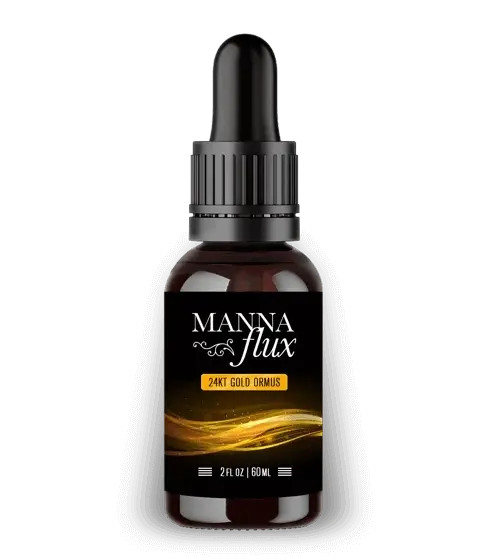
A liquid supplement — such as a tincture taken by dropper — is already dissolved. There is nothing to disintegrate, so the ingredients are immediately available for absorption once they reach the digestive tract. That is the core reason liquids can act quickly and consistently.
Liquids also allow flexible dosing (you can adjust drops), are easy to swallow for people who dislike pills, and, in the case of a bitter herb, preserve the taste that is part of the traditional action. Taken under the tongue or in water, a dropper is about as simple as a daily routine gets.
Here is the balanced, honest answer. Because a liquid skips the disintegration step, it can be absorbed faster and more consistently than a solid that has to break down first. For some ingredients that translates into a genuine bioavailability advantage. For others, the difference at the finish line is small, because the body handles both forms well once they are dissolved. So the accurate claim is: liquids can offer an absorption and consistency advantage, but it is ingredient-specific, not a universal law. Be skeptical of any product promising a dramatic, one-size-fits-all “X times more absorption” figure — that is marketing, not science.
What is not in dispute is convenience and adherence, and those matter more than people admit. A supplement only works if you take it, and the format you find easiest to keep up with is the one that will actually help you. For a lot of people, a single daily dropper beats remembering to swallow several capsules.
MannaFlux™ delivers its five named botanicals — eleuthero, blue vervain, lady’s mantle, licorice and peppermint — as a pre-dissolved liquid you take once a day. Simple to take, easy to keep up. Backed by a 60-day money-back guarantee.
See MannaFlux PackagesDelivery format is not just about speed — it also interacts with the ingredients themselves. Botanical blends have a couple of reasons to favour liquid. First, as covered in our guide to blue vervain and bitter herbs, the bitter taste is part of how some herbs are traditionally thought to work — and a capsule hides that entirely. Second, a liquid makes it easy to combine several herbs, like the adaptogen eleuthero root, into one measured dropper rather than a handful of pills. For a daily botanical routine, the liquid format is a natural fit.
Whichever format you lean toward, read the label the same careful way:
All of this is easier once you can read a label fluently, which we cover in how to read a supplement facts label.
Liquid supplements vs capsules is really a question about bioavailability and, just as importantly, about whether you will actually take the thing every day. Because a liquid is already dissolved, it skips the disintegration step and can act faster and more consistently — a real, if ingredient-specific, edge. Capsules remain convenient and tasteless. For a multi-herb botanical routine, where taste can matter and combining herbs is a plus, a once-daily liquid dropper is a sensible, easy-to-keep-up choice. Whichever you pick, read the label, mind the per-serving amounts, and let consistency do the rest.
Liquids are already dissolved, so they skip the disintegration step a capsule or tablet must go through before the body can absorb the ingredients. This can make liquids act quickly and consistently. Whether that means meaningfully more is absorbed depends on the specific ingredient, so the honest answer is that liquids can offer an absorption and convenience advantage but it is not universal.
Bioavailability is the proportion of an ingredient that actually reaches your bloodstream in an active form. A dose on the label is not the same as what your body uses; bioavailability is influenced by the form of the ingredient, how it is delivered, and whether it is taken with food.
A tincture is a liquid extract of a herb, usually taken as drops from a dropper either under the tongue or added to water. Because it is already in liquid form, there is nothing to dissolve, and the taste of the herb is preserved, which matters for bitters.
Common reasons include easier swallowing than large pills, flexible dosing, faster and more consistent action because the ingredients are pre-dissolved, and the simplicity of one dropper instead of several capsules. Preference and adherence matter, since the best format is the one you will actually take every day.
Check the serving size (one dropper, two capsules and so on), the per-serving amount of each named ingredient, whether amounts are disclosed rather than hidden in a proprietary blend, and how the product is meant to be taken. A clear label lets you compare formats fairly.
† These statements have not been evaluated by the Food and Drug Administration. This product is not intended to diagnose, treat, cure or prevent any disease. This article is for general information only and is not medical advice. If you are pregnant, nursing, under 18 or taking medication, consult your physician before using any supplement. Individual results vary and are not guaranteed.