
| What it is | Blue vervain (Verbena hastata), a traditional bittering herb used in folk wellness. |
| Main blue vervain benefits | Traditionally used to support calm and comfortable, healthy digestion. |
| How it works | As a bitter, its taste is thought to prime the body’s own digestive secretions. |
| On a label | Check for the Latin name — “vervain” is used for several different plants. |
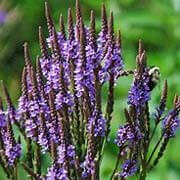
Blue vervain does not have the celebrity status of turmeric or the buzz of the newest adaptogen, but it has been quietly used in herbal traditions for a very long time. It is one of the five named botanicals in MannaFlux, and it plays a specific role: it is the formula’s bitter. In this guide we unpack the real blue vervain benefits, explain how bitter herbs are thought to work on digestion, look at where it sensibly fits in a weight-wellness routine, and show you how to make sure the bottle you buy actually contains the plant you think it does.
Blue vervain (Verbena hastata) is a tall, slender wildflower native to North America, topped with narrow spikes of small violet-blue flowers. It belongs to the vervain family, a group of plants with a long history in traditional and folk herbalism across several continents. The parts used are typically the aerial portions — the leaves and flowering tops — which carry the plant’s characteristic bitter compounds.
That bitterness is not an accident of taste; it is central to how the herb is traditionally used. Blue vervain sits in the category herbalists call bitters, and understanding bitters is the key to understanding what this plant is for.
As always, the honest framing is that blue vervain is a botanical used for general wellness support, not a medicine. Within that frame, these are the areas where it is most commonly and traditionally used.
This is the genuinely interesting part, because the mechanism of bitters is one of the older and more intuitive ideas in herbalism. The theory goes like this: when bitter compounds hit the bitter-taste receptors on your tongue, they send a signal that the body interprets as “food is coming.” That signal is thought to encourage the body’s own digestive readiness — the natural secretions and processes that help break down a meal.
In other words, a bitter is not doing the digesting for you and it is not a drug that forces a chemical change. It is thought to gently prompt your own digestive system to do its normal job well. This is why, across many herbal traditions, bitters have been taken shortly before or with meals rather than randomly through the day. It also explains why the taste itself matters: a heavily masked, sweetened bitter loses part of the point, which is one small advantage of a liquid dropper you actually taste over a tasteless capsule.
Interestingly, modern science has found bitter-taste receptors not only on the tongue but in the gut itself, which has renewed research interest in how bitter compounds and the digestive system communicate. The full picture is still being studied, so the responsible way to describe blue vervain is through its long traditional use rather than firm medical claims.

Let’s be clear: blue vervain is not a weight-loss ingredient. It does not burn fat or suppress appetite in any drug-like way, and any product implying otherwise is overselling it.
Its contribution is quieter and more sensible. Comfortable digestion and a calmer state both make it easier to eat with attention rather than on autopilot, and to notice genuine fullness. When your digestion feels settled and your stress is lower, the mindful-eating habits that actually support healthy weight become far more doable. That is the honest, supporting role of a bitter herb.
For the digestion-and-calm angle to matter, it has to sit on top of solid fundamentals. See our guide to supporting your metabolism naturally for the habits that do the heavy lifting, and our comparison of adaptogens vs stimulants for why a botanical-first approach avoids the jitters.
Here is a practical trap. The word “vervain” is attached to more than one plant, and the common names overlap in confusing ways:
Because of this overlap, the only reliable way to know what you are buying is the Latin (botanical) name on the label. This is a perfect example of why reading a supplement label properly is a skill worth building — we cover exactly how in how to read a supplement facts label.
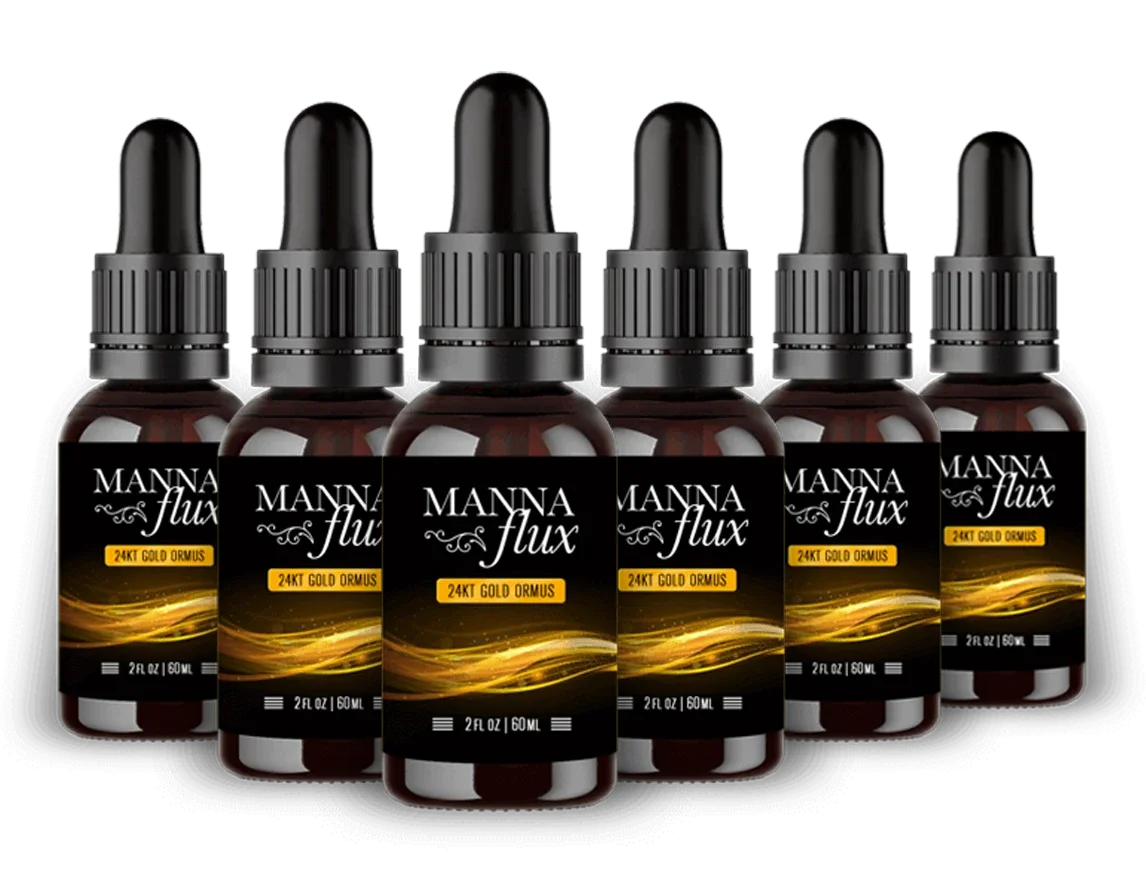
MannaFlux™ pairs blue vervain with four more named botanicals — eleuthero, lady’s mantle, licorice and peppermint — in one simple liquid dropper. No stimulants, no pills. Backed by a 60-day money-back guarantee.
See MannaFlux PackagesBlue vervain is most often taken as a liquid tincture or brewed as a tea, both of which preserve the bitter taste that is part of its traditional action. As with most herbs there is no single universal dose — the right amount depends on the preparation and its concentration. A few principles apply:
Whatever form you choose, follow the label, and talk to your physician first if you are pregnant, nursing, under 18, or taking medication.
Start Your Daily Botanical Routine
Blue vervain is the bitter in the blend — a traditional herb used to support comfortable digestion and everyday calm. Its mechanism is the classic mechanism of bitters: the taste is thought to gently prompt your own digestive readiness, not to force anything. In a weight-wellness context its role is supportive, helping create the settled, mindful state that makes good eating habits easier. Just remember the label lesson: several plants share the “vervain” name, so let the Latin name be your guide, and use it consistently alongside the fundamentals of diet, movement and sleep.
Blue vervain (Verbena hastata) is a traditional bittering herb used in folk wellness to support calm and comfortable, healthy digestion. It is used as general wellness support, not as a treatment for any medical condition.
Bitter compounds are traditionally believed to prime the digestive system. The bitter taste is thought to encourage the body’s own digestive secretions, which is why bitters have been used before or with meals across many herbal traditions to support comfortable digestion.
Blue vervain is not a weight-loss drug. Its role in a healthy-weight routine is indirect and supportive: comfortable digestion and a calmer, less stressed state make it easier to eat mindfully and stick with good habits. It is not a substitute for diet, movement and sleep.
Not exactly. Blue vervain usually refers to Verbena hastata, common vervain to Verbena officinalis, and lemon verbena is a different plant (Aloysia citrodora). Because common names overlap, the Latin name on a label is the reliable way to know which plant you are getting.
It is commonly taken as a liquid tincture or tea. In a blend such as MannaFlux, blue vervain is one of five botanicals delivered in a single once-daily dropper. Follow the label, and consult your physician before use if you are pregnant, nursing, under 18 or on medication.
† These statements have not been evaluated by the Food and Drug Administration. This product is not intended to diagnose, treat, cure or prevent any disease. This article is for general information only and is not medical advice. If you are pregnant, nursing, under 18 or taking medication, consult your physician before using any supplement. Individual results vary and are not guaranteed.