
| What it is | A concentrated extract of Camellia sinensis (green tea) rich in catechins, above all EGCG. |
| How it works | EGCG plus a little caffeine may gently support fat oxidation and thermogenesis — the body's normal energy burn. |
| Realistic effect | Modest and supportive, best paired with diet and movement — not a fat-melting shortcut. |
| Safety first | Take standardised extracts with food, stay within the label, and be cautious if caffeine-sensitive. |
Green tea extract for weight loss is one of the most searched ingredients in the entire supplement aisle, and for good reason: green tea itself is one of the most-studied beverages on earth. But a cup of tea and a concentrated capsule are very different things, and the marketing around green tea extract often runs far ahead of what the science actually shows. In this guide we look at what green tea extract really is, how its signature compound EGCG and the wider family of catechins are thought to work, where green tea extract sensibly fits in a weight-wellness routine, the safety notes that genuinely matter, and what to check on a label. And because MannaFlux takes a deliberately different, caffeine-free route, we will be clear about where the two approaches diverge.
Green tea comes from the leaves of Camellia sinensis, the same plant that gives us black and oolong tea. The difference is processing: green tea leaves are steamed or pan-fired quickly after harvest, which halts oxidation and preserves a high level of delicate plant polyphenols called catechins. Green tea extract concentrates those leaves into a powder or liquid, so a single serving can carry the catechin content of several cups of brewed tea. That concentration is exactly why extracts deserve more respect — and more caution — than a relaxing mug of tea.
The catechin family in green tea includes epicatechin (EC), epicatechin gallate (ECG), epigallocatechin (EGC) and, most importantly, epigallocatechin gallate (EGCG). EGCG is the most abundant and the most researched of the group, and it is the compound most often credited when you read about green tea and metabolism. A good extract will tell you its total catechin and EGCG content right on the label.
Here is the honest, plain-English version of the mechanism most often described in the research literature. Your body constantly produces small signalling chemicals, including noradrenaline (norepinephrine), which helps mobilise stored fat and nudges up energy expenditure. An enzyme called COMT normally breaks noradrenaline down. EGCG appears to slow that enzyme modestly, which means noradrenaline can stay active a little longer. In parallel, the small amount of natural caffeine that rides along in most green tea extracts supports the same signalling. The combined, gentle result is a small lift in fat oxidation (the body using fat for fuel) and in thermogenesis — the everyday production of heat and energy.
Two things are worth underlining. First, EGCG and caffeine appear to work as a team; much of the research uses them together, which is why isolated decaffeinated catechins sometimes show weaker effects. Second, the effect size is modest. Green tea extract is not a switch that flips your metabolism into overdrive. It is a small, supportive nudge that only shows up meaningfully when it sits on top of the fundamentals — food quality, movement, sleep and consistency. For the bigger picture on how the body generates heat and burns energy, our guide to thermogenesis and how to support it naturally is the natural companion to this article.

It would be a mistake to think of green tea's catechins purely as a weight ingredient. EGCG and its relatives are, first and foremost, antioxidants — they help the body manage everyday oxidative stress, which is why green tea shows up in research on so many different systems.
For a weight-wellness reader, this matters because it reframes the goal. Rather than chasing a dramatic “fat burner,” the sensible use of any plant polyphenol is as one part of a plant-rich, antioxidant-rich intake that supports the body as a whole. That framing keeps expectations realistic and habits sustainable.
Let us be clear-eyed about the realistic role. Green tea extract will not override calories, and no serious source claims it does. What the evidence supports is a small, supportive contribution: a modest lift in fat oxidation and a mild thermogenic effect, most useful as a helper alongside the habits that actually drive results. If you already move daily, eat mostly whole foods, sleep enough and stay consistent, a standardised green tea extract may add a little on top. If those foundations are missing, no extract will paper over the gap. For the everyday habits that carry the real weight, see how to support your metabolism naturally.
There is also the stimulant question. Because most effective green tea extracts pair catechins with caffeine, they sit closer to the “stimulant” end of the spectrum than to the calm, adaptogenic end. That is not automatically bad, but it is a real trade-off: caffeine can mean jitters, disrupted sleep or an afternoon crash for sensitive people. We compare the two philosophies in depth in adaptogens vs stimulants for weight loss.
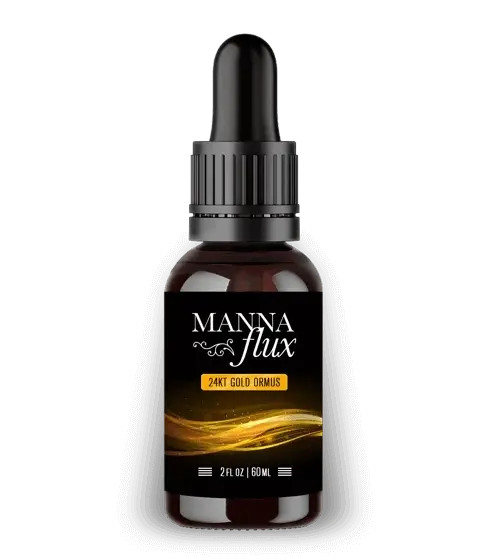
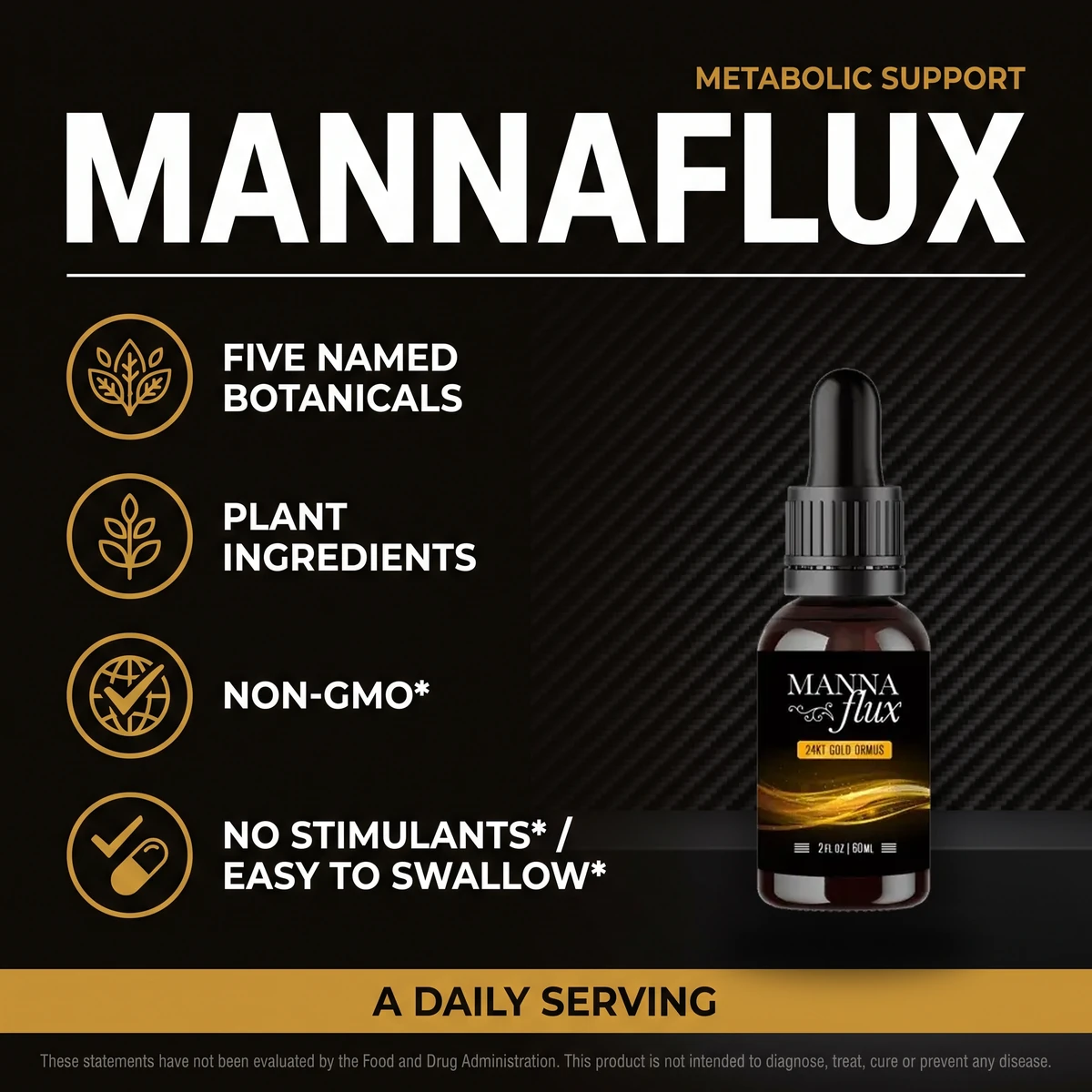
MannaFlux™ is not a green tea product and contains no caffeine. It is a once-daily liquid blend of five named botanicals — blue vervain, eleuthero root, lady's mantle, licorice and peppermint — designed for steady, stimulant-free everyday metabolism and energy support. No pills, no jitters, no crash, and a 60-day money-back guarantee.
See MannaFlux PackagesThere is no single official dose of green tea extract, but research has often used amounts supplying roughly 250 to 500 mg of catechins per day, frequently with a modest dose of caffeine. Because concentrated extracts can far exceed the catechin content of brewed tea, a few practical principles matter more here than with a gentle culinary herb:
Quality varies enormously between products, and the label is where you separate a serious supplement from a hopeful one:
These same skills protect you on every supplement you buy — we break the panel down field by field in how to read a supplement facts label. And if you are weighing green tea's role against a fat-transport nutrient, our guide to L-carnitine for fat metabolism covers a very different mechanism worth understanding.
Start Your Daily Botanical Routine
Green tea extract earns its research reputation honestly: its catechins, led by EGCG, are genuine antioxidants, and together with a little caffeine they can offer a modest, supportive lift to fat oxidation and thermogenesis. What green tea extract is not is a fat-melting miracle, and treating it as one leads to disappointment and, at very high doses, to unnecessary risk. If a caffeinated extract suits you, choose one that names Camellia sinensis, standardises its catechin and EGCG content, discloses its caffeine, and is made to solid manufacturing standards — and take it with food. If you would rather skip stimulants entirely and support your metabolism the calm way, a caffeine-free botanical routine such as MannaFlux is built around exactly that philosophy.
Green tea extract is concentrated in catechins, especially EGCG (epigallocatechin gallate), which are studied for their role in supporting fat oxidation. EGCG appears to slow the breakdown of noradrenaline, and together with the small amount of caffeine in the extract this may gently support thermogenesis — the body's normal heat and energy production. The effect is modest and works best alongside diet and movement, not instead of them.
EGCG (epigallocatechin gallate) is the most abundant and most studied catechin in green tea. It is a plant polyphenol with strong antioxidant activity and is the compound most often credited with green tea's metabolic and cardiovascular research interest. A standardised green tea extract lists its EGCG or total catechin content on the label.
Research has often used green tea extracts supplying somewhere in the region of 250 to 500 mg of catechins per day, frequently paired with a modest amount of caffeine. There is no single official dose. Because concentrated extracts can be much stronger than a cup of tea, following the product label and not exceeding it matters, and anyone with liver concerns should be cautious.
Drinking brewed green tea has an excellent safety record, and moderate use of standardised extracts is generally well tolerated. Very high doses of concentrated EGCG taken on an empty stomach have, rarely, been linked with liver stress, so authorities suggest taking extracts with food and staying within label amounts. People who are pregnant, sensitive to caffeine, or on medication should speak with a physician first.
No. MannaFlux is a stimulant-free blend of five named botanicals — blue vervain, eleuthero root, lady's mantle, licorice and peppermint. This article explains green tea extract for readers comparing ingredients; MannaFlux takes a gentler, caffeine-free approach to everyday metabolism and energy support.
† These statements have not been evaluated by the Food and Drug Administration. This product is not intended to diagnose, treat, cure or prevent any disease. This article is for general information only and is not medical advice. If you are pregnant, nursing, under 18 or taking medication, consult your physician before using any supplement. Individual results vary and are not guaranteed.