
| What it is | A yellow plant alkaloid from goldenseal, barberry and related plants, used for centuries in traditional systems. |
| How it works | Its headline mechanism is activating AMPK, the cell's metabolic “master switch,” plus effects on gut bacteria and the liver. |
| Studied for | Glucose and lipid metabolism — berberine benefits research centres on blood sugar and blood fats. |
| Safety first | Poorly absorbed, often causes digestive upset, and interacts with medications — discuss with a physician. |
Few supplements have gone from obscure to everywhere as quickly as berberine. Once known mostly to herbalists, it now trends across social media, sometimes with wildly overstated claims. The truth is more interesting than the hype: berberine is a genuinely fascinating plant compound with real, well-studied effects on metabolism and blood sugar — and a genuine set of cautions that the loudest posts tend to skip. In this guide we look at what berberine is, how it works at the cellular level, what the research on berberine benefits actually supports, sensible dosing, the interactions that matter, and what to check on a label. And because MannaFlux takes a very different, whole-herb approach, we will be clear about where the two paths diverge.
Berberine is a naturally bright-yellow alkaloid — a class of nitrogen-containing plant compounds — found in the roots, bark and stems of several plants, including goldenseal (Hydrastis canadensis), barberry (Berberis vulgaris), Oregon grape (Mahonia aquifolium) and the Chinese herb Coptis chinensis. It has a long history in both traditional Chinese medicine and Ayurveda, where the yellow root herbs it comes from were used for digestive and general wellness support long before anyone could name the molecule inside them.
What sets berberine apart from a gentle culinary herb is potency. It is a concentrated, biologically active compound, which is exactly why it deserves both interest and respect. It is not a mild botanical you sprinkle on food; it is a focused alkaloid with measurable effects on human metabolism.
The mechanism you will see cited most often is AMPK activation. AMPK — AMP-activated protein kinase — is an enzyme that acts like a cellular fuel gauge. When a cell's energy is running low, AMPK switches on and tells the cell to take up glucose, burn fuel and hold off on storing fat. Berberine appears to activate AMPK, which is why it is often described as flipping the body's metabolic master switch. In practical terms, activating AMPK is associated with better glucose uptake into cells and a shift toward using energy rather than storing it.
Interestingly, this is the same broad pathway that exercise and calorie restriction influence, which is part of why berberine attracts so much attention — it appears to nudge a lever the body already uses. Beyond AMPK, berberine is thought to work in at least two other ways: it may reshape the gut microbiome in favourable directions (some of its effects survive even though very little berberine reaches the bloodstream, pointing to the gut as a key site of action), and it appears to influence how the liver handles sugar and fats. Together these mechanisms explain why the research clusters around glucose and lipid metabolism.
Berberine has been studied mainly for glucose and lipid metabolism. The most consistent research interest is in how it relates to blood sugar handling and blood fats such as cholesterol and triglycerides. Some studies have also looked at modest effects on body weight and waist measures, generally alongside diet.
The honest framing for a wellness reader is this: berberine is a supplement, not a medicine, and its effects are best thought of as metabolic support rather than treatment. It does not replace medical care, and the strongest results come when it accompanies the fundamentals rather than substituting for them.
Berberine is often marketed as “nature's answer” to prescription metabolic drugs. That comparison is both why it is popular and why it needs care. Berberine is a potent compound with drug-like interactions, so it should be treated with the seriousness that implies — not casually stacked on top of medication without a conversation with your physician. It is not a casual daily botanical in the way peppermint or lady's mantle are. For a look at how a very different, gentle sweet herb approaches cravings and metabolism, see our guide to licorice root benefits for cravings and metabolism.
As always, the foundations do the heavy lifting. No alkaloid overrides the basics of movement, sleep, whole foods and consistency — the very habits we cover in how to support your metabolism naturally. Berberine, at best, is a supporting player on top of those.
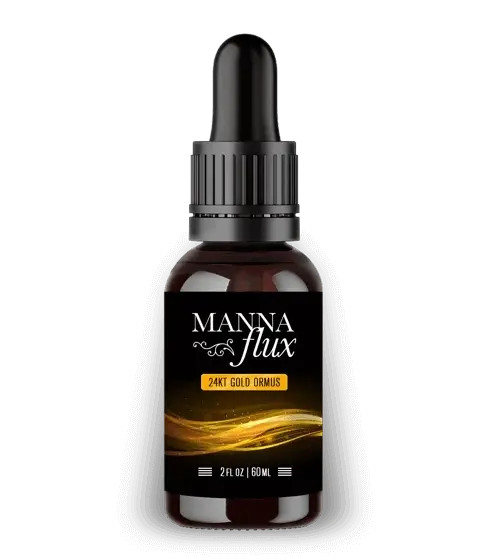
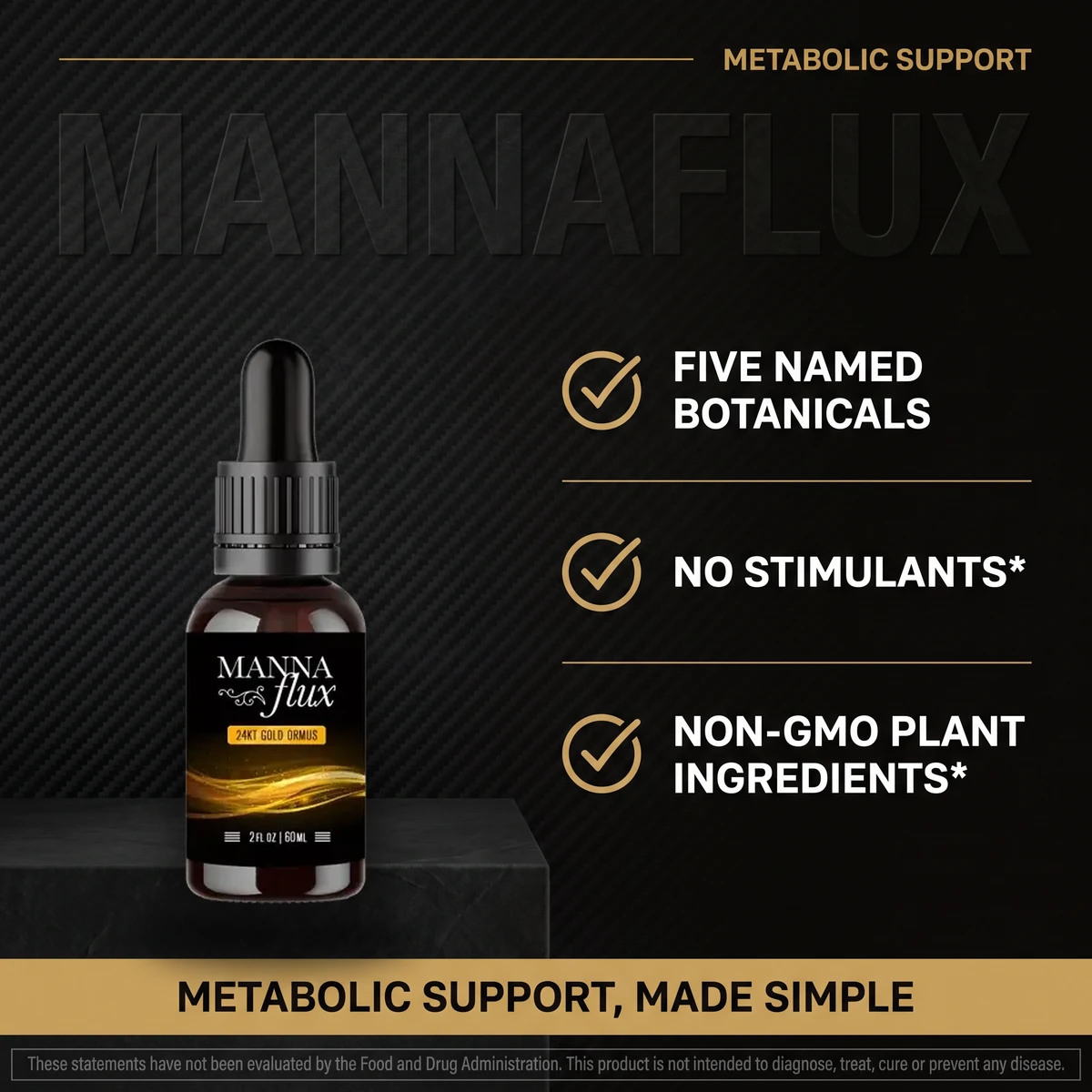
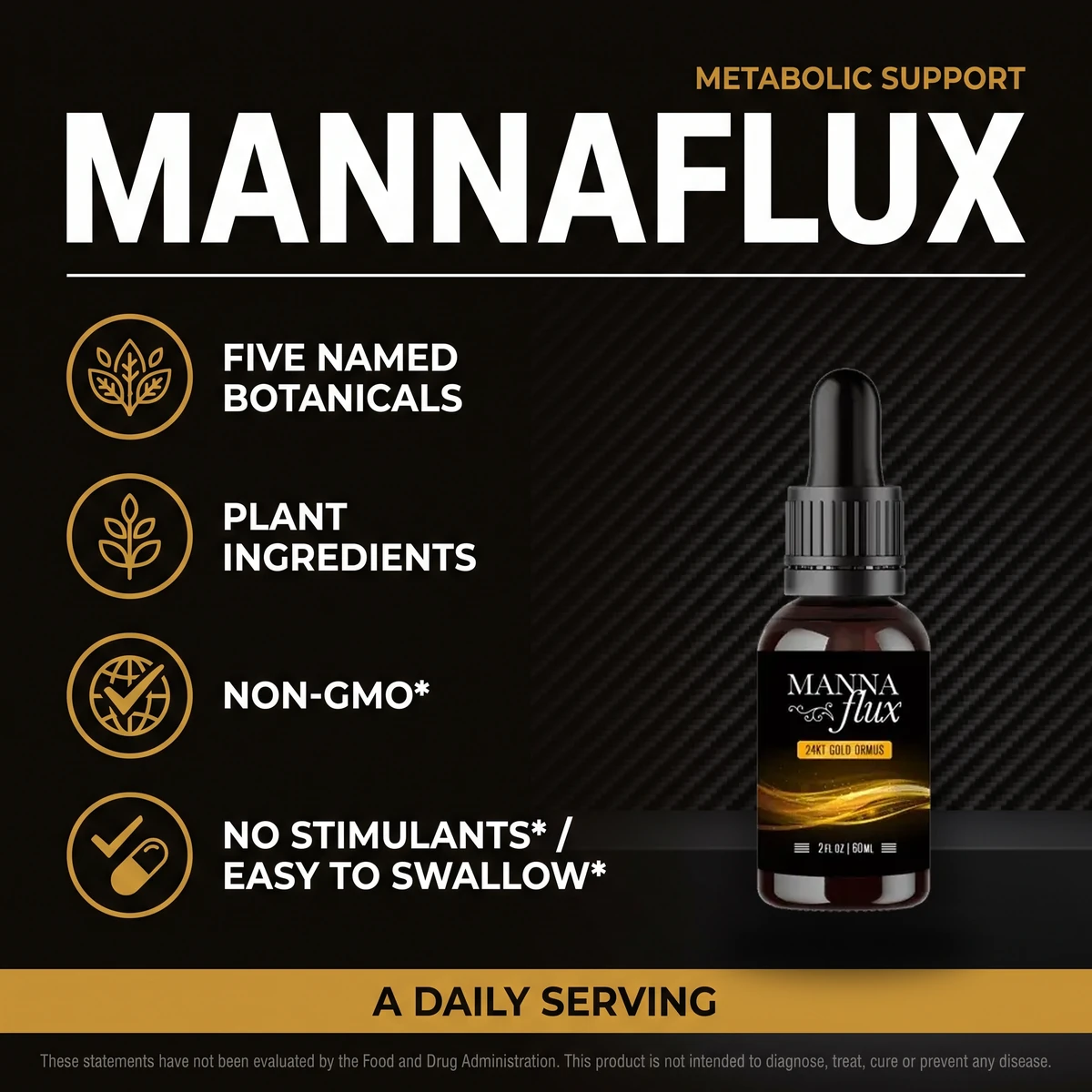
MannaFlux™ is not a berberine product. It is a once-daily liquid blend of five named botanicals — blue vervain, eleuthero root, lady's mantle, licorice and peppermint — chosen for gentle, everyday metabolism and energy support without stimulants or drug-like interactions. Backed by a 60-day money-back guarantee.
See MannaFlux PackagesThere is no official berberine dose, but studies have commonly used around 900 to 1,500 mg per day, split into two or three doses. That splitting is not arbitrary: berberine is poorly absorbed and a single large dose tends to cause stomach upset, cramping or diarrhoea. Taking it in divided doses with meals is the usual practical approach. A few principles:
Because potency and purity matter with a concentrated alkaloid, read the label carefully:
These label-reading skills apply to every supplement you buy — we walk through the whole panel in how to read a supplement facts label. If your interest is really about appetite and fullness rather than blood sugar, a very different mechanism is worth knowing: our guide to glucomannan for appetite and fullness explains how a viscous soluble fibre works.
Start Your Daily Botanical Routine
Berberine is one of the more genuinely intriguing compounds in the supplement world: a bright-yellow plant alkaloid whose activation of AMPK, effects on gut bacteria and influence on the liver give it real, well-studied relevance to metabolism and blood sugar. But its very potency is also its catch. Berberine is poorly absorbed, frequently upsets the stomach, and — most importantly — interacts with a range of medications. It is not a casual botanical, and it should never be added on top of prescription drugs without a physician's input. If you decide it is right for you, choose a clearly labelled, third-party-tested product and split the dose with food. If you would rather support your metabolism with gentle, whole-herb botanicals and no drug-like interactions, that is exactly the lane MannaFlux was built for.
Berberine is a bright-yellow alkaloid found in plants such as goldenseal, barberry, Oregon grape and Coptis. It has a long history in traditional Chinese and Ayurvedic practice and is studied today mainly for its influence on glucose and lipid metabolism. It is used as a general wellness supplement, not as a treatment for any medical condition.
Berberine's most discussed mechanism is activation of AMP-activated protein kinase, or AMPK — often called the body's metabolic master switch. When AMPK is activated, cells behave as though energy is needed, which supports glucose uptake and the use of fuel. Berberine is also thought to influence gut bacteria and the way the liver handles sugar and fats.
Studies have commonly used around 900 to 1,500 mg per day, split into two or three doses taken with meals because berberine is poorly absorbed and can upset the stomach in one large dose. There is no official dose, so following the product label is essential, and berberine is best discussed with a physician if you take other medication.
Short-term use is generally well tolerated, with digestive upset the most common complaint. Importantly, berberine can interact with a number of medications because it affects liver enzymes that process drugs, and it may add to the effect of blood-sugar-lowering medicines. Anyone on prescription medication, pregnant or nursing should speak with a physician before using berberine.
No. MannaFlux is a caffeine-free blend of five named botanicals — blue vervain, eleuthero root, lady's mantle, licorice and peppermint. This article explains berberine for readers comparing metabolic-support ingredients; MannaFlux takes a gentle, whole-herb approach rather than a concentrated alkaloid.
† These statements have not been evaluated by the Food and Drug Administration. This product is not intended to diagnose, treat, cure or prevent any disease. This article is for general information only and is not medical advice. If you are pregnant, nursing, under 18 or taking medication, consult your physician before using any supplement. Individual results vary and are not guaranteed.