
| What it is | Licorice root (Glycyrrhiza glabra), a naturally sweet botanical used for thousands of years. |
| Main licorice root benefits | Traditionally used to soothe digestion and, thanks to its sweetness, to satisfy a sweet tooth without sugar. |
| How it works | Its glycyrrhizin gives the sweet taste; flavonoids like glabridin add antioxidant support. |
| Safety first | Glycyrrhizin in large amounts can raise blood pressure — moderation and label-following matter. |
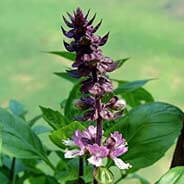
Few herbs are as instantly recognisable by taste as licorice root. That deep, warming sweetness has flavoured confectionery, teas and traditional remedies across the world for millennia — and it is one of the five named botanicals inside MannaFlux. But there is far more to Glycyrrhiza glabra than flavour. In this guide we look at the real licorice root benefits, how its signature compound works, where the sweet herb sensibly fits in a cravings-and-metabolism context, the safety notes that genuinely matter, and what to check on a label.
Licorice root comes from Glycyrrhiza glabra, a leguminous shrub native to southern Europe and parts of Asia. The name itself tells the story: glycyrrhiza is Greek for “sweet root.” The part used is the root and its runners, which are harvested, dried and either chewed, brewed, or processed into extracts. It is one of the most widely used herbs in the world — a staple of traditional Chinese medicine, where it is prized as a “harmoniser” that helps blend other herbs together, and a familiar remedy across Middle Eastern and European folk traditions.
That harmonising reputation is worth keeping in mind, because it explains why licorice so often appears in blends rather than on its own. It is a team player by tradition, which makes it a natural fit for a multi-botanical formula.
As always, let us be clear-eyed: licorice root is a botanical used for general wellness support, not a medicine that treats disease. With that framing, here are the areas where it is most commonly and traditionally used.
Notice what is not on that list: licorice is not a fat burner or an appetite-suppressing drug. Its contribution to a weight-wellness routine is subtle, supportive and, importantly, must be kept in sensible amounts.
The star compound in licorice is glycyrrhizin (also called glycyrrhizic acid). It is what makes the root taste sweet, and it is also the compound behind licorice's most important safety consideration. When your body processes glycyrrhizin, it can influence an enzyme called 11-beta-hydroxysteroid dehydrogenase, which is involved in how the body handles the stress hormone cortisol and, downstream, minerals like sodium and potassium. In everyday terms: small culinary and supplemental amounts are one thing, but large amounts of glycyrrhizin taken regularly over time can raise blood pressure and lower potassium. That is not scaremongering — it is simply how the chemistry works, and it is why this article keeps returning to moderation.
Alongside glycyrrhizin, licorice carries a suite of flavonoids — glabridin, liquiritigenin, liquiritin and others. These are the same broad antioxidant family found across colourful plants, and they are part of why licorice is valued beyond just its taste. This is also where DGL (deglycyrrhizinated licorice) comes in: it is licorice with most of the glycyrrhizin removed, leaving the flavonoids behind. DGL is the form many people choose when they want the traditional digestive-soothing character of licorice without the blood-pressure caution attached to glycyrrhizin.
Here is the honest picture for readers in the weight-wellness space. Licorice root will not melt fat or override calories. The realistic, sensible way it can support a healthy-weight routine is twofold.
First, cravings: a sudden desire for something sweet derails a lot of good intentions, and licorice's intense natural sweetness can scratch that itch with a tiny amount and no sugar. Second, comfort: when digestion feels settled rather than sluggish or uneasy, mindful, regular eating is simply easier to keep up. Both effects are indirect — supports for good habits, not substitutes for them.
For the bigger picture on how heat and energy production actually work in the body, see our guide to thermogenesis and how to support it naturally, and for the everyday habits that matter most, read how to support your metabolism naturally.
There is no single “correct” dose of licorice, and with this herb the safety framing matters more than usual. Regulatory bodies have specifically flagged glycyrrhizin because sustained high intake — often from eating a lot of real licorice confectionery, not just supplements — has been linked to raised blood pressure and low potassium. A few practical principles:
Whatever you choose, follow the product label first.
MannaFlux™ delivers licorice root alongside four more named botanicals in one simple liquid dropper — no pills, no stimulants, no guesswork. Backed by a 60-day money-back guarantee.
See MannaFlux PackagesBecause supplement quality and safety both hinge on the details here, the label matters even more than usual with licorice:
Learning to read these details protects you on every supplement you buy — we break it down in how to read a supplement facts label.
Start Your Daily Botanical Routine
Licorice root is one of the oldest and most widely used herbs on earth, and its appeal is easy to understand: a deep natural sweetness, a long tradition of soothing digestive support, and a suite of antioxidant flavonoids. For a healthy-weight routine, its honest value lies in taking the edge off sweet cravings without sugar and in supporting comfortable digestion — supportive roles, never a fat-burning shortcut. The one thing this herb asks of you is respect for moderation, because its glycyrrhizin carries real blood-pressure cautions at high, sustained intake. Choose a product that names the species and the form, discloses the amount, is made to solid manufacturing standards, and keeps licorice as one balanced voice in a wider blend.
Licorice root (Glycyrrhiza glabra) is a sweet-tasting botanical traditionally used to support comfortable digestion and a soothed digestive tract, and it has a long history in traditional systems as a harmonising, supportive herb. It is used for general wellness support, not to treat any medical condition.
Licorice root's signature compound is glycyrrhizin (glycyrrhizic acid), which is roughly fifty times sweeter than sugar and gives the herb its taste. It also contains flavonoids such as glabridin and liquiritin that contribute antioxidant activity. Deglycyrrhizinated licorice (DGL) is a form with most of the glycyrrhizin removed for gentler, more frequent use.
Licorice root is not an appetite drug. Its natural sweetness, though, means a small amount can satisfy the desire for something sweet without added sugar, and comfortable digestion tends to make mindful eating easier. Any effect on cravings is indirect and supportive, not a guaranteed outcome.
In small, sensible amounts licorice root has a long history of use, but glycyrrhizin taken in large quantities over time can raise blood pressure and lower potassium. People with high blood pressure, heart or kidney concerns, or who are pregnant should be especially cautious and speak with a physician. Always follow the product label and do not overconsume.
Standard licorice root contains glycyrrhizin, the sweet compound responsible for both its flavour and its blood-pressure cautions. DGL (deglycyrrhizinated licorice) has most of that glycyrrhizin removed, leaving the flavonoids, which makes it a gentler option some people prefer for regular digestive support. The label should tell you which form you are buying.
† These statements have not been evaluated by the Food and Drug Administration. This product is not intended to diagnose, treat, cure or prevent any disease. This article is for general information only and is not medical advice. If you are pregnant, nursing, under 18 or taking medication, consult your physician before using any supplement. Individual results vary and are not guaranteed.