
| What it is | Peppermint (Mentha × piperita), a hybrid mint whose leaves and oil are rich in menthol. |
| Main peppermint benefits for digestion | Traditionally used to ease occasional bloating and gas and to settle the stomach after meals. |
| How it works | Menthol relaxes digestive smooth muscle — an antispasmodic, carminative action. |
| On a label | Look for Mentha piperita, whether it is leaf or oil, and a clear per-serving amount. |
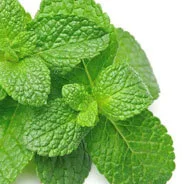
Almost everyone reaches for something minty after a heavy meal, and there is real tradition behind that instinct. Peppermint has been used to settle the stomach for as long as records exist, and it is one of the five named botanicals inside MannaFlux. In this guide we look at the genuine peppermint benefits for digestion, how menthol actually works on the gut, why the herb has such a reputation for easing bloating, where it sensibly fits in a weight-wellness routine, and what to check on a label.
Peppermint (Mentha × piperita) is a naturally occurring hybrid of watermint and spearmint. It is one of the most cultivated and recognisable herbs in the world, grown for both its leaf and its essential oil. The unmistakable cool, fresh character comes chiefly from menthol, its dominant active compound, along with menthone and other aromatic constituents. Peppermint also carries antioxidant plant compounds such as rosmarinic acid.
It is worth separating two common forms right away, because they are not interchangeable. Peppermint leaf is the milder whole herb, familiar from teas and many botanical blends. Peppermint oil is the concentrated essential oil, much higher in menthol, and it is the form most often studied in enteric-coated capsules for digestive support. Which one a product uses changes both the appropriate amount and how it behaves.
To be clear from the outset: peppermint is a botanical used for general wellness support, not a medicine that treats disease. With that framing, here is where it is most commonly and traditionally used.
Notice what is not here: peppermint is not a fat burner or an appetite-suppressing drug. Its digestive support is real, well-loved and well-documented in tradition — but it works by making you comfortable, not by overriding your metabolism.
The key to peppermint's digestive reputation is what menthol does to smooth muscle. Your digestive tract is lined with smooth muscle that contracts in waves to move food and gas along. When those contractions become tight or spasmodic, you feel it as cramping, pressure and bloating. Menthol is thought to relax that smooth muscle, largely by influencing the movement of calcium into the muscle cells — and since calcium influx is what drives a muscle to contract, dialling it down encourages the muscle to ease off. This is what pharmacologists call an antispasmodic effect.
That single mechanism explains most of peppermint's traditional digestive uses at once. Relaxed digestive muscle lets trapped gas pass through more comfortably (the carminative effect), reduces the cramping sensation, and generally makes the post-meal experience feel smoother. Menthol is also responsible for peppermint's famous cooling sensation, because it activates a cold-sensing receptor called TRPM8 — the same reason mint feels cold on your tongue even though nothing has changed temperature.
Enteric-coated peppermint oil has been studied specifically for digestive comfort, with the coating designed so the oil is released lower in the tract rather than in the stomach. That is a good example of why form and delivery matter so much with botanicals — a theme we explore in our guide to liquid supplements vs capsules and absorption.
Here is the honest picture for weight-wellness readers. Peppermint is not a weight-loss ingredient. It does not burn calories or shrink fat. What it does is more modest and more genuinely useful: it helps you feel comfortable after eating.
That comfort matters more than it sounds. Bloating and post-meal heaviness are exactly the sensations that push people toward skipping the vegetables, avoiding regular meals, or grazing mindlessly. When digestion feels settled, sticking to whole foods and a steady eating rhythm is simply easier — and steadiness is what actually drives healthy weight over time.
For the wider daily habits that do the heavy lifting, see how to support your metabolism naturally, and to meet the other calming digestive herb in the formula, read blue vervain benefits for digestion and calm.
There is no single “correct” dose of peppermint, because it depends entirely on the form. A cup of peppermint-leaf tea, a few drops in a botanical blend, and a concentrated enteric-coated oil capsule are wildly different amounts of menthol. A few practical principles hold across all of them:
One caution worth repeating: people prone to acid reflux sometimes find peppermint relaxes the valve at the top of the stomach and worsens heartburn. If that is you, or if you are pregnant, nursing, under 18 or taking medication, follow the label and check with your physician first.
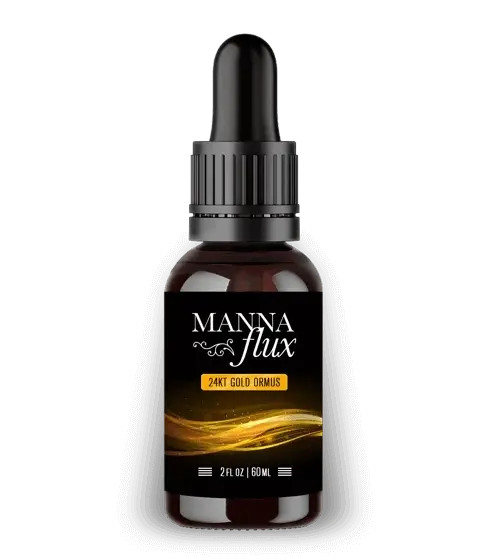
MannaFlux™ delivers peppermint alongside four more named botanicals in one simple liquid dropper — no pills, no stimulants, no guesswork. Backed by a 60-day money-back guarantee.
See MannaFlux PackagesBecause quality and form both vary, the label is where you protect yourself:
Learning to read these details is a skill worth having for every supplement — we break it down in how to read a supplement facts label.
Start Your Daily Botanical Routine
Peppermint has earned its place in the after-dinner ritual for a solid reason: its menthol relaxes digestive smooth muscle, which is why the herb is so widely and traditionally used to ease occasional bloating and gas and to settle the stomach. For a healthy-weight routine, that comfort is its real contribution — not fat burning, but the settled, easy feeling that makes consistent, mindful eating simpler. Choose a product that names the species, tells you whether it is leaf or oil, discloses the amount, and is made to solid manufacturing standards, and let peppermint do its fresh, supportive job alongside good food, movement and sleep.
Peppermint (Mentha × piperita) is traditionally used to support comfortable digestion, ease occasional bloating and gas, and settle the stomach. Its active menthol has a relaxing, antispasmodic effect on digestive smooth muscle. It is used as general wellness support, not to treat any medical condition.
Peppermint's menthol is thought to relax the smooth muscle of the digestive tract by influencing calcium movement into muscle cells. This antispasmodic, carminative action can help trapped gas move through more comfortably, which is why peppermint has such a long tradition of use for bloating and cramping after meals.
Peppermint is not a weight-loss ingredient. Where it may fit into a healthy-weight routine is indirectly: comfortable, settled digestion makes it easier to eat mindfully and enjoy whole foods, and the fresh aroma can be a simple, calorie-free way to round off a meal. Any weight effect is supportive, not direct.
They are related but different. Peppermint leaf (used in teas and many blends) is the milder whole herb, while peppermint oil is a concentrated essential oil high in menthol, often studied in enteric-coated capsules. Labels should tell you which you are getting, because the concentration and appropriate amount differ considerably.
Peppermint is generally well tolerated, but people prone to acid reflux sometimes find it relaxes the valve at the top of the stomach and worsens heartburn. If that applies to you, or if you are pregnant, nursing, under 18 or taking medication, follow the product label and check with your physician first.
† These statements have not been evaluated by the Food and Drug Administration. This product is not intended to diagnose, treat, cure or prevent any disease. This article is for general information only and is not medical advice. If you are pregnant, nursing, under 18 or taking medication, consult your physician before using any supplement. Individual results vary and are not guaranteed.