
| What cortisol is | Your body's main stress hormone, released by the adrenals on a natural daily rhythm. |
| The cortisol and belly fat link | Chronic elevation is associated with more appetite, sugar cravings and visceral (abdominal) fat storage. |
| Why it happens | Stress drives energy-seeking behaviour; poor sleep worsens the hunger hormones on top. |
| How to respond | Sleep, movement, relaxation, moderate caffeine — plus adaptogens traditionally used for stress resilience. |

If you have ever eaten “well” and exercised and still felt like stubborn weight settled around your middle during a tough stretch of life, you are not imagining a connection. The link between cortisol and belly fat is one of the most talked-about topics in weight wellness — and while the headlines tend to oversimplify, the underlying science is real and worth understanding. In this guide we explain what cortisol actually is, how the stress hormone influences appetite and where the body stores fat, and the calm, sustainable ways to respond — the philosophy at the heart of MannaFlux.
Cortisol is your body's primary stress hormone. It is produced by the adrenal glands and released as part of the ancient fight-or-flight response, coordinated by a network known as the HPA axis (hypothalamic–pituitary–adrenal axis). When your brain perceives a threat — whether a physical danger or a looming deadline — it signals the adrenals to release cortisol, which mobilises glucose for quick energy, sharpens focus, and temporarily dials down non-urgent systems like digestion.
Crucially, cortisol is not the villain. It is essential and healthy. It follows a natural daily rhythm — highest in the morning to get you going, tapering to its lowest at night so you can sleep. The problem is not cortisol itself but chronic, sustained elevation: when the stress never really switches off, the system that is designed for short bursts stays partly on all the time. That is where the weight connection begins.
Let us be careful and accurate here, because this is where marketing overreaches. Chronically elevated cortisol does not simply “create” belly fat on its own like flipping a switch. Rather, it is one contributing factor among several, and it acts through a few well-documented pathways:
So the honest summary is this: chronic stress tilts the whole system toward eating more of the wrong things, sleeping worse, and storing fat centrally. It is a meaningful piece of the puzzle, not the entire puzzle.

What makes this so frustrating is that the pieces feed each other. Stress raises cortisol; high cortisol drives cravings and disrupts sleep; poor sleep raises the hunger hormone ghrelin and lowers the fullness hormone leptin; hungrier and more tired, you reach for quick sugar; the blood-sugar swing and the guilt add more stress. Round and round it goes.
Breaking that spiral is less about willpower and more about lowering the pressure on the whole system — which is why calm, steady support tends to beat brute force. Notably, harsh stimulants like large doses of caffeine can actually raise cortisol, pouring fuel on the fire.
That last point is exactly why MannaFlux is built around calming botanicals rather than stimulants. For the full mechanism comparison, see adaptogens vs stimulants for weight loss.
You cannot eliminate stress from modern life, but you can change how your body carries it. These are the levers with the best track record:
For the broader everyday habits that support metabolism through all of this, see how to support your metabolism naturally.
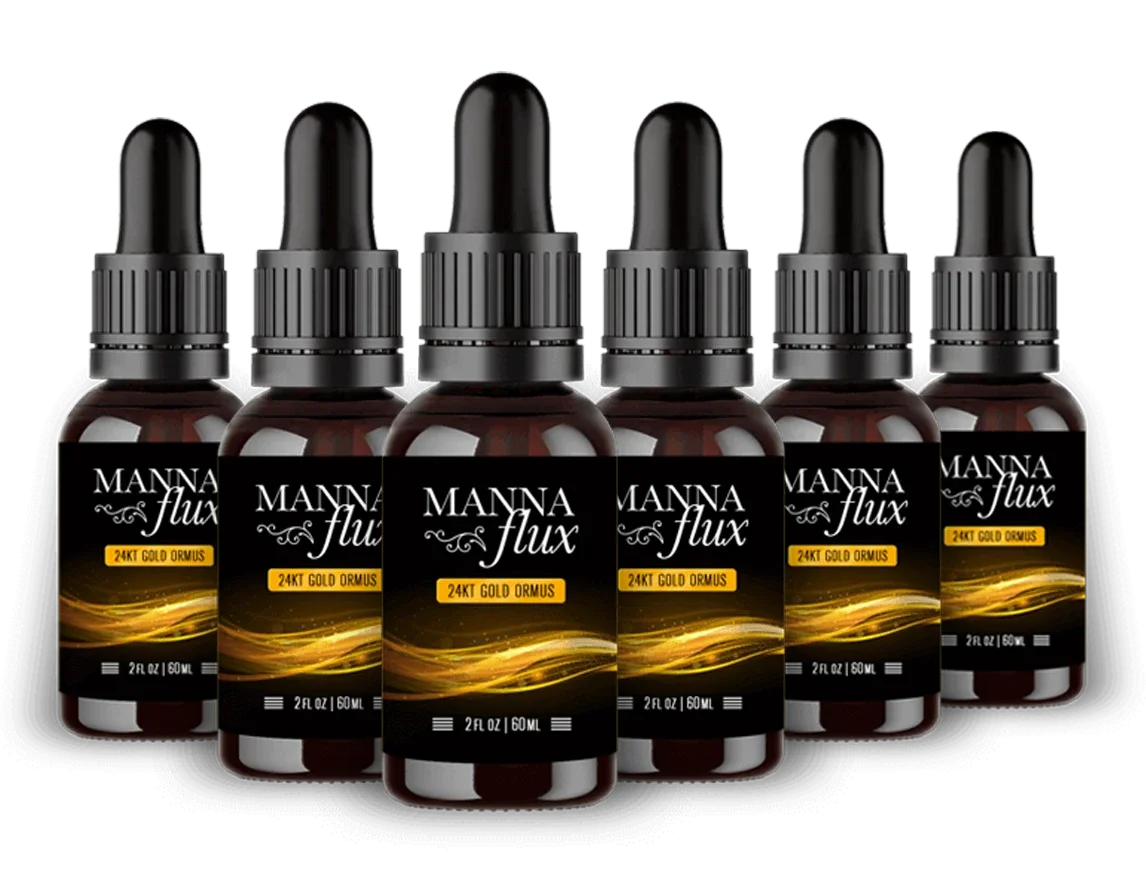
MannaFlux™ is a once-daily liquid blend of five named botanicals, including the classic adaptogen eleuthero root, made for gentle everyday support — no caffeine, no harsh stimulants, no crash. Backed by a 60-day money-back guarantee.
See MannaFlux PackagesThis is where a well-chosen botanical can play a supporting role. Adaptogens are plants traditionally used to help the body stay balanced under stress — the word literally refers to helping you “adapt.” Eleuthero root, one of the five botanicals in MannaFlux, is among the best-known, and it is traditionally used to support steady energy and resilience to everyday stress without acting as a stimulant.
It is important to be honest about what this means. Adaptogens are general wellness support, not a treatment, and no herb undoes chronic stress on its own. Their value is as a gentle complement to the sleep, movement and recovery habits above — support for the system, not a substitute for looking after it. To understand the adaptogen mechanism in depth, read eleuthero root benefits for energy and stress.
This is a crowded, hype-prone category, so the label is where you protect yourself:
Learning to decode these panels is a skill worth having — we break it down in how to read a supplement facts label.
Start Your Daily Botanical Routine
Cortisol is not your enemy — it is an essential hormone that only becomes a problem when stress never switches off. Chronically elevated cortisol is genuinely linked with more appetite, stronger sugar cravings, disrupted sleep and a tendency to store fat around the middle, but it is one contributing factor rather than a single cause. The most powerful response is not a magic pill: it is protecting sleep, moving sensibly, building real recovery into your week, and going easy on the stimulants that quietly stoke the fire. Adaptogens like eleuthero can play a gentle supporting role in that bigger picture, and if you use one, choose a stimulant-free product with named ingredients and disclosed amounts.
Cortisol is your body's primary stress hormone, released by the adrenal glands as part of the fight-or-flight response. It follows a daily rhythm — higher in the morning, lower at night — and it helps mobilise energy, regulate blood sugar and manage inflammation. It is essential and healthy in the right amounts; the issue is chronic, sustained elevation.
The relationship is real but more nuanced than headlines suggest. Chronically elevated cortisol is associated with increased appetite, cravings for high-sugar and high-fat foods, and a tendency to store visceral fat around the abdomen, partly because visceral fat is rich in cortisol receptors. Cortisol is one contributing factor among many, not a single cause.
Under stress, cortisol and related signals push the body to seek quick energy, which often shows up as cravings for sugary, fatty, calorie-dense comfort foods. Poor sleep, common under stress, makes it worse by disrupting the hunger hormones ghrelin and leptin. This is why managing stress and sleep is a genuine part of managing appetite.
Adaptogens are plants traditionally used to support the body's resilience to everyday stress, and some are studied for their effect on the stress-response system. They are general wellness support, not a treatment, and they work best alongside sleep, movement and stress management rather than instead of them. Speak with your physician before starting any supplement.
Sustainable approaches include prioritising sleep, getting regular but not excessive exercise, practising relaxation techniques like breathing or time outdoors, moderating caffeine and alcohol, and eating regular balanced meals. These support a healthier stress-response rhythm over time. For persistent stress or health concerns, consult a healthcare professional.
† These statements have not been evaluated by the Food and Drug Administration. This product is not intended to diagnose, treat, cure or prevent any disease. This article is for general information only and is not medical advice. If you are pregnant, nursing, under 18 or taking medication, consult your physician before using any supplement. Individual results vary and are not guaranteed.